
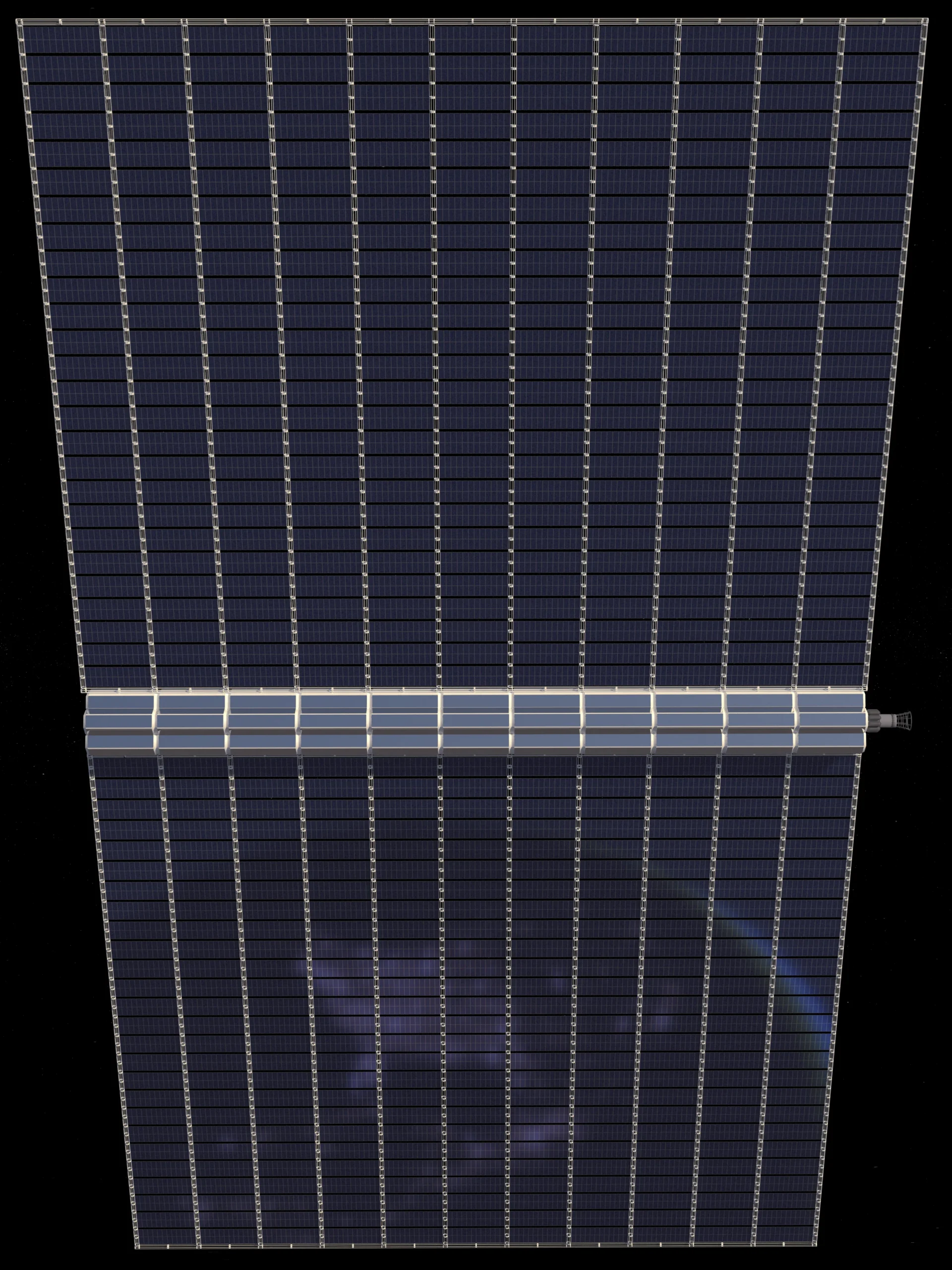
Space Data Centers are becoming increasingly relevant as the industry reaches a break-even point at $200 per kilogram. This development highlights the importance of recent advancements in space technology.
Overview of Space Data Centers
As the demand for data storage and processing continues to grow exponentially, the concept of Space Data Centers has emerged as a groundbreaking solution. These facilities, situated beyond Earth’s atmosphere, leverage the unique advantages of space to handle vast amounts of information. With advancements in rocket technology and decreasing launch costs, the feasibility of constructing and maintaining data centers in orbit is becoming a reality.
One of the most significant benefits of Space Data Centers is their potential to operate at a lower cost over time. Experts suggest that the break-even point for these centers could be as low as $200 per kilogram for transporting materials to space. This reduction in cost is largely attributed to the success of reusable rocket technologies, such as SpaceX’s Starship, which have marked a pivotal moment in the aerospace industry.
Moreover, the strategic location of these data centers allows for enhanced data processing capabilities, greater security, and improved energy efficiency. As we stand at the cusp of this innovative frontier, the future of data management may very well lie among the stars.
The Importance of Break-Even Points
The viability of Space Data Centers hinges significantly on achieving break-even points. Understanding these financial thresholds is crucial for the sustainability of space-based operations. As companies venture into this innovative sector, they must recognize the importance of cost management and pricing strategies.
Recent analyses highlight a break-even point of $200 per kilogram, which represents a critical milestone for the industry. This figure not only reflects the operational costs but also the economic feasibility of launching and maintaining Space Data Centers in orbit.
Several factors contribute to reaching this pivotal point:
- Launch Costs: Reducing expenses associated with rocket launches is essential.
- Technological Advancements: Innovations in data center design and operations can enhance efficiency.
- Market Demand: A growing need for data processing in space will drive revenue.
As the industry progresses, achieving these break-even points will not only signify success but also pave the way for further investment and expansion in Space Data Centers.
Recent Developments in Space Technology
Recent advancements in space technology are paving the way for the emergence of Space Data Centers as a viable solution for data storage and processing beyond Earth. These developments are crucial as they offer new possibilities for managing the ever-growing demand for data in various sectors.
One notable breakthrough is the successful launch of the SpaceX Starship, which has significantly reduced the cost of sending payloads to orbit. This reduction is critical as it brings the break-even point for establishing Space Data Centers down to approximately $200 per kilogram. Such a cost-effective solution encourages investment and innovation in the field.
Additionally, advancements in satellite technology and communication systems are enhancing connectivity between Earth and these potential data centers. As companies explore opportunities in low Earth orbit (LEO), the establishment of space-based data centers could revolutionize how data is processed and stored, offering faster access and improved security.
The ongoing developments indicate a promising future for Space Data Centers, potentially transforming not just the tech industry but also the broader landscape of data management.
Starship’s Role in the Space Industry
Starship, developed by SpaceX, is poised to revolutionize the space industry, particularly in the context of Space Data Centers. With its ability to transport large payloads at a significantly reduced cost, Starship represents a pivotal shift in how we approach space logistics.
As the first fully reusable spacecraft, it can achieve a break-even point of approximately $200 per kilogram. This affordability opens up numerous opportunities for deploying Space Data Centers in orbit, facilitating faster data processing and storage solutions closer to where data is generated.
Moreover, Starship’s capacity to launch satellites and other essential infrastructure will enhance the connectivity of these data centers, allowing for seamless transmission of information back to Earth. As more Space Data Centers become operational, the demand for reliable space transport will only increase, solidifying Starship’s role as a key player in this emerging market.
In summary, the success of Starship not only marks an inflection point in space travel but also opens the door for a new era of data management and processing in the cosmos.
Future Prospects for Space Data Centers
As the space industry continues to evolve, the future prospects for Space Data Centers appear increasingly promising. With advancements in technology and the decreasing costs of space launches, it is anticipated that these centers will play a crucial role in managing and processing vast amounts of data generated from satellites and other space-based assets.
Industry experts suggest that the establishment of Space Data Centers will not only enhance data retrieval speeds but also improve the reliability of data storage in space. This could lead to significant advancements in various sectors, such as telecommunications, Earth observation, and even climate monitoring.
Key factors influencing the growth of Space Data Centers include:
- Technological Innovations: Continued developments in satellite technology and data analytics.
- Cost Efficiency: The successful launch of lower-cost rockets, such as SpaceX’s Starship, making space more accessible.
- Collaboration: Partnerships between governments and private companies driving research and investment.
In conclusion, the future of Space Data Centers seems bright, with opportunities for innovation and expansion leading to a new era in space data management.
Challenges Faced by Space Data Centers
As the concept of space data centers gains momentum, several challenges must be addressed to ensure their successful implementation and operation. One major hurdle is the high cost associated with launching materials into space. Currently, the break-even point is estimated at $200 per kilogram, making it crucial to find ways to reduce these expenses.
Additionally, the harsh environment of space poses significant risks to the technology housed within these data centers. Factors such as radiation, extreme temperatures, and microgravity can affect the longevity and performance of hardware. Ensuring reliable operation under these conditions requires innovative engineering solutions.
Another challenge is the need for a robust communication infrastructure. Data transfer between space and Earth must be both reliable and fast to support real-time applications. Improved satellite technology and ground station networks are essential for mitigating latency issues.
Finally, regulatory and logistical concerns surrounding space operations must be navigated carefully. Compliance with international space treaties and safety regulations will be critical in establishing a sustainable framework for space data centers.
By Wikideas1 via Openverse