
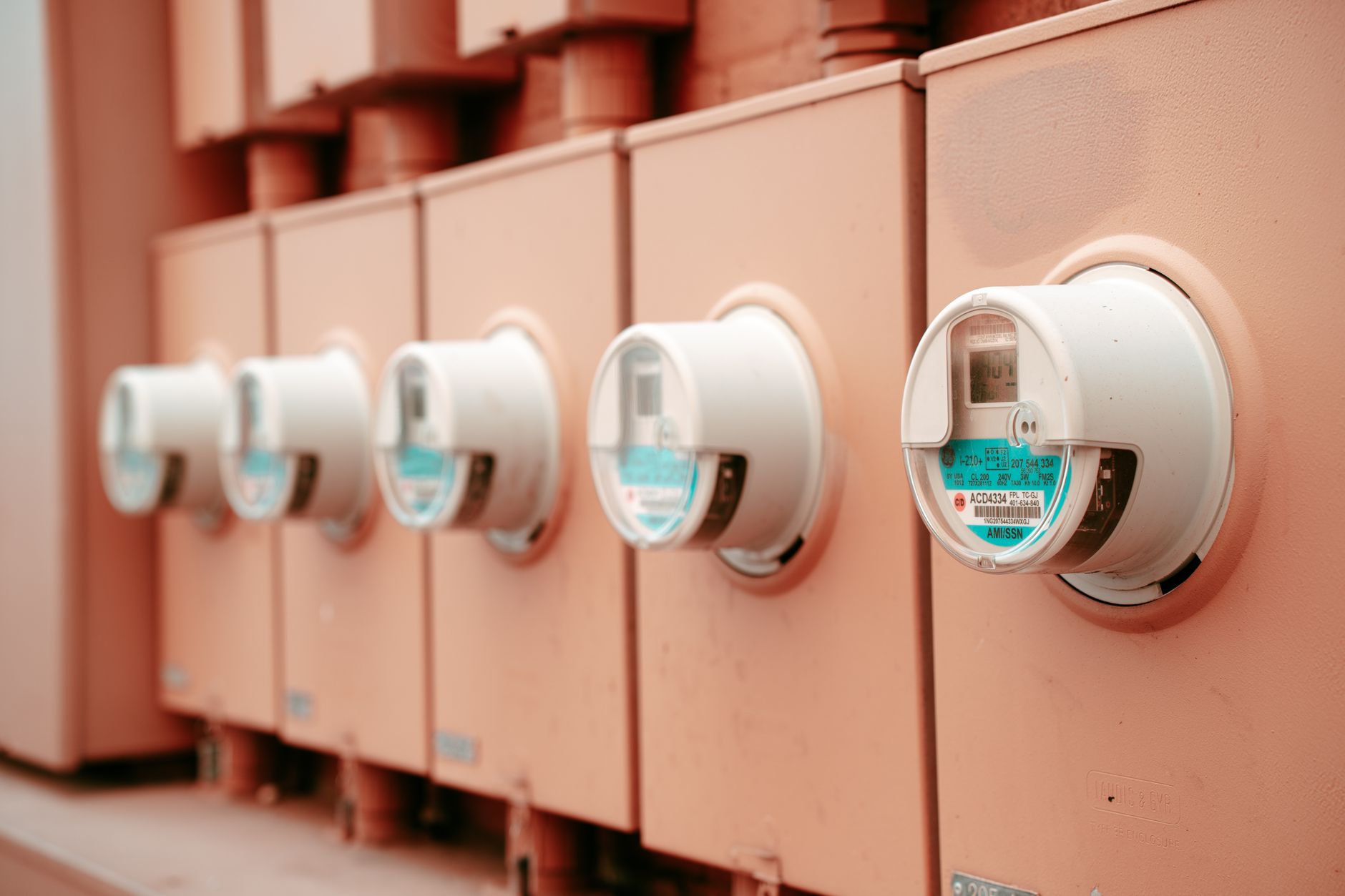
electricity data sharing is crucial for enhancing transparency and efficiency in the power sector. The upcoming norms promise to streamline processes and foster collaboration among stakeholders.
Introduction to Electricity Data Sharing
The use of electricity data sharing has emerged as a significant factor in enhancing transparency within the energy sector. As the world shifts towards more sustainable energy solutions, the importance of accurate and accessible electricity data cannot be overstated. The increasing demand for renewable energy sources and smart grids necessitates a robust framework for data sharing among various stakeholders.
Recently, the Secretary of Power announced that national electricity data sharing norms are set to be launched soon. This initiative aims to establish a standardized approach to collecting, sharing, and utilizing electricity data across the country. By implementing these norms, the government seeks to improve decision-making processes, foster innovation, and enhance overall efficiency in the energy sector.
Key components of the upcoming norms are expected to include:
- Standardization of data formats: Ensuring consistency in how electricity data is presented and shared.
- Improved accessibility: Making data readily available to stakeholders, including consumers, policymakers, and researchers.
- Enhanced privacy measures: Protecting sensitive information while promoting transparency.
- Incentives for collaboration: Encouraging partnerships between public and private sectors to leverage data for better energy management.
As these norms are set to roll out, the potential benefits of electricity data sharing are becoming increasingly clear, paving the way for a more transparent and efficient energy landscape.
Importance of Data Transparency
In the rapidly evolving energy sector, electricity data sharing has emerged as a crucial component for enhancing transparency and accountability. The importance of data transparency cannot be overstated, as it fosters trust among stakeholders, including consumers, regulators, and energy providers. By ensuring that all parties have access to reliable and timely information, the sector can make better-informed decisions that ultimately lead to improved services.
Moreover, data transparency enables effective monitoring of energy consumption patterns, which can help identify inefficiencies and promote energy-saving initiatives. Transparency also encourages competition among energy providers, leading to more options and potentially lower costs for consumers.
With the introduction of national electricity data sharing norms, there are several key benefits that can be expected:
- Informed Decision-Making: Stakeholders can base their decisions on accurate and comprehensive data.
- Enhanced Accountability: Energy providers are held accountable for their performance, helping to ensure compliance with regulations.
- Consumer Empowerment: Access to data allows consumers to make better choices regarding their energy usage and providers.
- Innovation Stimulation: Increased transparency can lead to innovative solutions and technologies in the energy sector.
As the energy industry moves towards a more transparent future, the role of electricity data sharing will be pivotal in driving positive changes that benefit all stakeholders involved.
Upcoming Norms Explained
Upcoming norms regarding electricity data sharing are set to transform the landscape of energy management and consumer awareness. The new regulations aim to enhance the availability and accessibility of electricity data, ensuring that stakeholders, including consumers, utilities, and regulators, can make informed decisions.
Key features of the upcoming norms include:
- Standardization of Data Formats: The establishment of uniform data formats will facilitate easier data sharing between various entities, promoting interoperability and reducing discrepancies.
- Real-Time Data Access: Consumers will be granted access to real-time electricity usage data, which allows them to monitor their consumption patterns and adjust their usage accordingly.
- Enhanced Privacy Protections: The norms will include stringent measures to protect consumer privacy and ensure that individual data cannot be misused or accessed without consent.
- Collaboration with Tech Providers: The government will collaborate with technology providers to develop platforms that support efficient data sharing, incorporating advanced analytics and visualization tools.
These initiatives are expected to boost transparency in the electricity sector, fostering a culture of accountability and trust among consumers and providers alike. By implementing these new norms, the government aims to create a more responsive energy market that benefits all stakeholders involved.
Impact on the Power Sector
The implementation of electricity data sharing norms is set to significantly impact the power sector in various ways. By promoting transparency, these norms will enhance the efficiency of electricity distribution and consumption.
One of the primary effects is the improvement in operational efficiencies. With access to real-time electricity data, utility companies can optimize their grid management and reduce outages. This increased effectiveness can lead to a more reliable power supply for consumers.
Another major consequence is the empowerment of consumers. By sharing electricity usage data, consumers can make informed decisions about their energy consumption patterns. This can result in reduced energy costs and increased savings. Furthermore, consumers can also compare rates from different suppliers, fostering competition and innovation in the market.
Additionally, electricity data sharing will facilitate better regulatory oversight. Authorities can monitor performance metrics, ensuring compliance with established standards. This strengthens the accountability of power providers and promotes a more stable energy market.
Lastly, the emphasis on data sharing can stimulate investment in smart technologies. As the power sector embraces digital transformation, utilities will seek innovative solutions that leverage data analytics, enhancing overall service delivery.
In conclusion, the introduction of electricity data sharing norms holds the potential to revolutionize the power sector, driving improvements in efficiency, consumer engagement, regulatory oversight, and technological advancement.
Stakeholder Collaboration
Effective electricity data sharing hinges on collaboration among various stakeholders. This collaboration is vital for fostering transparency and accountability in the power sector. Key stakeholders include government agencies, private energy providers, regulatory bodies, and consumers. Each player has a unique role in ensuring that data is accurately collected, shared, and utilized.
Firstly, government agencies are responsible for establishing frameworks and guidelines that facilitate data sharing. They must ensure compliance with upcoming norms and encourage voluntary participation from private entities. In many cases, these agencies also provide the necessary infrastructure to support data exchange.
Secondly, private energy providers must recognize the benefits of transparent data sharing. By collaborating with regulators and other companies, they can create a more competitive environment that ultimately leads to improved services and lower costs for consumers. Such partnerships can also enhance innovation in energy technologies and services.
Regulatory bodies play a crucial role by setting standards for data quality and security. They must ensure that all stakeholders adhere to these standards to maintain trust in the data shared.
Lastly, consumers must be educated about the importance of electricity data sharing. Their feedback and participation can significantly influence the effectiveness of transparency initiatives. By working together, all stakeholders can create a robust ecosystem that promotes transparency and drives efficiency in the electricity sector.
Global Best Practices
As countries worldwide continue to adopt electricity data sharing initiatives, several global best practices have emerged that can significantly enhance transparency in the power sector. These practices not only promote accountability but also facilitate improved decision-making among stakeholders.
One noteworthy example is the implementation of standardized data formats. By adopting uniform data structures, countries can streamline the exchange of information between utilities, regulators, and consumers. This standardization fosters comparability and helps identify trends in electricity consumption and generation.
Another effective practice is the establishment of open data platforms. Countries like the United Kingdom and Australia have successfully launched platforms that provide real-time access to electricity usage data. These platforms empower consumers to make informed choices regarding their energy consumption and encourage competition among energy providers.
Moreover, engaging local communities in the data sharing process has proven beneficial. Involving citizens in discussions about electricity data can build trust and promote active participation in energy management. This approach not only enhances transparency but also encourages sustainable practices at the community level.
Lastly, fostering collaboration between public and private sectors is essential. By working together, stakeholders can develop innovative solutions that address data privacy concerns while still ensuring effective electricity data sharing. Collectively, these best practices serve as a foundation for a more transparent and efficient energy future.
Challenges Ahead
Despite the promising potential of electricity data sharing, several challenges remain that could hinder its successful implementation across the industry. The primary barriers include concerns over data privacy and security, as stakeholders may be hesitant to share sensitive information that could be exploited.
Additionally, varying technological capabilities among different organizations pose a significant challenge. While some entities may have advanced systems to facilitate data sharing, others might struggle with outdated infrastructure, leading to disparities in participation and effectiveness.
Moreover, regulatory discrepancies across regions can complicate the establishment of uniform standards necessary for effective electricity data sharing. Without a cohesive approach, the full benefits of transparency may not be realized, as inconsistent practices could lead to data fragmentation.
Stakeholders also face the challenge of fostering a culture of collaboration. Resistance to change from traditional practices can slow down the adoption of new norms aimed at enhancing transparency. The need for continuous education and training on the importance of data sharing is crucial.
Lastly, the issue of accountability cannot be overlooked. As data sharing becomes more prevalent, establishing clear guidelines on data ownership and usage will be essential to maintain trust among participants.
In summary, while electricity data sharing holds great promise, addressing these challenges will be vital to harnessing its full potential for transparency and efficiency in the power sector.
Future of Electricity Data Sharing
The future of electricity data sharing is set to transform the landscape of energy management and consumption. As nations worldwide prepare to implement new data-sharing norms, the focus will be on creating a more transparent and efficient power sector. The recent announcement by the Power Secretary regarding upcoming national electricity data sharing norms highlights a significant shift towards regulatory frameworks that prioritize data accessibility.
One of the primary goals of these norms is to facilitate real-time access to electricity consumption patterns, generation statistics, and grid performance metrics. This information can empower utilities, regulators, and consumers alike to make informed decisions. As data transparency increases, stakeholders will be better equipped to develop strategies aimed at optimizing energy usage and reducing waste.
Moreover, the integration of advanced technologies such as artificial intelligence and machine learning into electricity data sharing platforms can enhance predictive analytics, allowing for improved demand forecasting and resource allocation. This evolution will not only benefit the power sector but also contribute to broader sustainability goals.
However, for these initiatives to succeed, collaboration among various stakeholders is crucial. Utilities, governmental bodies, and technology providers must work together to establish robust frameworks that protect data privacy while promoting the open exchange of information. As we look to the future, the potential of electricity data sharing to foster innovation and enhance accountability remains promising.
Photo by Connor Scott McManus on Pexels
Read the original
Zelda Ocarina of Time: Exciting New Trailer Reveals Dark Link · TECNO SPARK 50s Review: Is It the Best Budget Phone? · New Xbox Gamepad: The Best Simple Upgrade for Gamers