
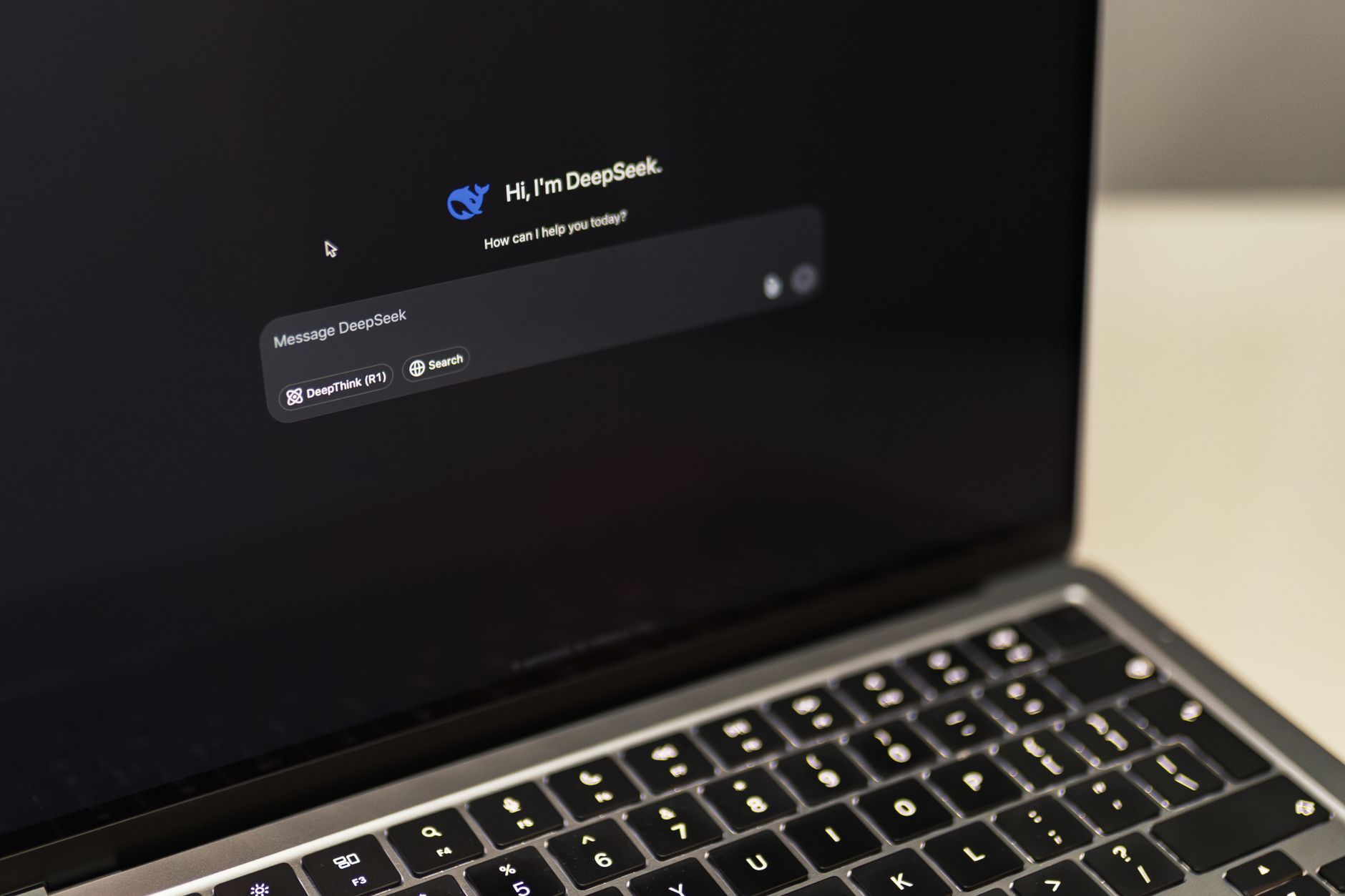
AI assistant for work is becoming a game-changer in the business landscape. Sol’s recent funding of $4 million aims to enhance workplace efficiency through innovative AI technology.
What is Sol’s New AI Assistant?
Sol’s new AI assistant for work is a groundbreaking tool designed to enhance productivity and streamline everyday tasks. With a focus on collaboration and efficiency, this innovative assistant utilizes advanced machine learning algorithms to understand user preferences and work habits.
By integrating seamlessly with existing workflows, the AI assistant aims to reduce the time spent on repetitive tasks, allowing employees to concentrate on more meaningful projects. Key features include:
- Task Management: Automatically prioritize and organize tasks based on deadlines and importance.
- Smart Scheduling: Suggest optimal meeting times and manage calendar conflicts effortlessly.
- Data Insights: Provide actionable insights and analytics to boost decision-making processes.
- Real-time Collaboration: Facilitate communication among team members through intelligent recommendations.
By leveraging the power of AI, Sol’s assistant not only aims to make work more efficient but also transforms how teams interact and collaborate. This tool represents a significant step forward in the evolution of workplace technology.
How Will This AI Assistant Change Work?
The introduction of an AI assistant for work promises to transform the way employees approach their daily tasks. By leveraging advanced algorithms and machine learning, this innovative tool can streamline workflows, allowing teams to focus on higher-level functions rather than mundane responsibilities.
One significant change is the ability to automate repetitive tasks. This AI assistant can handle scheduling, email management, and data entry, freeing up valuable time for employees to engage in more strategic initiatives. Furthermore, the AI’s capacity to analyze data in real-time provides insights that can enhance decision-making processes.
Moreover, the integration of an AI assistant fosters collaboration among team members. It can serve as a central hub for project management, enabling seamless communication and file sharing. As a result, employees can work more efficiently and cohesively, ultimately leading to increased productivity.
In summary, the impact of an AI assistant for work extends beyond simple task management; it represents a paradigm shift in workplace efficiency and collaboration.
The Impact of AI on Business Productivity
The integration of artificial intelligence into the workplace has revolutionized how businesses operate, significantly enhancing productivity. AI assistants for work, such as Sol’s newly launched product, are designed to streamline various tasks, allowing employees to focus on higher-value activities.
Several studies indicate that companies utilizing AI technology experience:
- Increased Efficiency: By automating routine tasks, AI frees up valuable time for employees.
- Improved Decision-Making: Data-driven insights provided by AI aid in making informed choices quickly.
- Enhanced Collaboration: AI tools facilitate better communication and coordination among teams.
Moreover, businesses that adopt AI assistants are likely to see a boost in employee morale, as workers can concentrate on more engaging and meaningful work. This shift not only enhances individual performance but also contributes to overall company growth. The impact of AI on business productivity is clear, and solutions like Sol’s AI assistant for work are paving the way for a more efficient future.
Funding Details: $4 Million for Innovation
Sol, the innovative tech company known for its groundbreaking solutions, has successfully raised $4 million in funding to develop its new AI assistant for work. This significant investment highlights the increasing demand for tools that enhance productivity and streamline workflows in various industries.
The funding round was led by several prominent venture capital firms, who are eager to support advancements in artificial intelligence. Investors are particularly excited about the potential of Sol’s AI assistant to transform daily operations and improve efficiency for teams across the globe.
- Strong interest from investors emphasizes the viability of AI in the workplace.
- Funding will be utilized for further development and testing of the AI assistant.
- Sol aims to integrate user feedback into the design to ensure it meets real-world needs.
With this financial backing, Sol is poised to make significant strides in the AI sector, positioning its AI assistant for work as a leading solution for businesses looking to enhance productivity and collaboration.
User Expectations for AI Assistants
As organizations increasingly adopt technology to enhance efficiency, user expectations for AI assistants are evolving significantly. Employees are looking for solutions that not only streamline tasks but also integrate seamlessly into their daily workflows. The following points summarize common expectations:
- Intuitive Interface: Users desire a simple and user-friendly interface that minimizes the learning curve and enhances usability.
- Task Automation: Employees want AI assistants to automate repetitive tasks, allowing them to focus on more strategic initiatives.
- Personalization: There is a strong demand for AI assistants that can adapt to individual work styles and preferences, providing tailored support.
- Collaboration Tools: Users expect AI assistants to facilitate better communication and collaboration among team members, integrating with existing tools.
- Real-time Insights: Employees are looking for actionable insights that help them make informed decisions quickly.
Ultimately, the success of an AI assistant for work hinges on its ability to meet these expectations and genuinely enhance productivity.
Challenges in Implementing AI in the Workplace
Despite the promising potential of an AI assistant for work, several challenges hinder its smooth implementation in various workplaces. Organizations are often faced with the following issues:
- Resistance to Change: Employees may be hesitant to adopt new technologies, fearing that AI will replace their jobs rather than assist them.
- Integration with Existing Systems: Many businesses operate on legacy systems that may not easily accommodate new AI solutions, leading to complex integration challenges.
- Data Privacy Concerns: The use of AI in the workplace raises significant questions regarding employee data privacy and how that data is utilized by AI assistants.
- Training Requirements: Effective use of AI assistants often requires comprehensive training, which can be resource-intensive and time-consuming.
- Cost of Implementation: While funding such as the recent $4 million raised by Sol aids development, the overall costs associated with deploying an AI assistant for work can be daunting for smaller businesses.
Addressing these challenges is crucial for organizations aiming to leverage AI for enhanced productivity and efficiency.
Future of AI in Business
The future of AI in business looks promising, as organizations increasingly adopt innovative solutions to enhance productivity. The introduction of AI assistants for work is transforming how teams collaborate and manage tasks, allowing for more efficient workflows and decision-making processes.
Key trends shaping the future include:
- Increased Automation: Routine tasks can be automated, freeing employees to focus on strategic initiatives.
- Enhanced Data Analysis: AI assistants can sift through vast amounts of data, providing insights that inform business strategies.
- Personalization: These tools can adapt to individual work styles and preferences, creating a tailored experience for users.
- Improved Communication: AI can facilitate seamless interactions among team members, regardless of their location.
As companies explore the integration of an AI assistant for work, they are likely to encounter new opportunities and challenges. With ongoing advancements in AI technology, the potential for productivity gains is immense. Embracing these tools will be essential for businesses aiming to stay competitive in the evolving landscape.
Photo by Matheus Bertelli on Pexels