
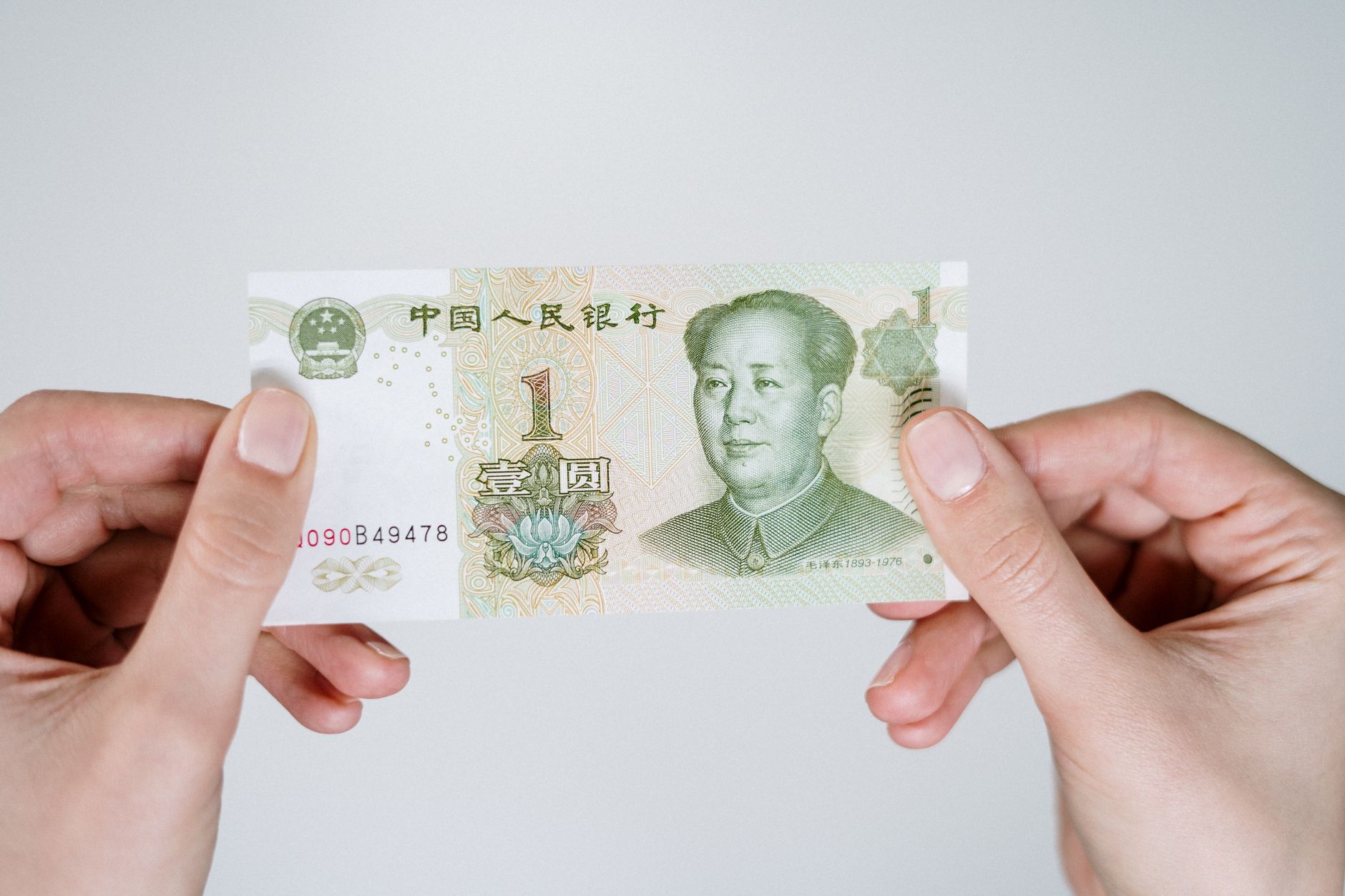
China central bank bills are making headlines as the central bank plans to sell 60 billion yuan in bills through Hong Kong on September 23. This significant action could influence market dynamics.
Overview of China’s Central Bank
China’s central bank plays a crucial role in the country’s monetary policy and financial stability. One of its key instruments is the issuance of China central bank bills, which are used to manage liquidity in the banking system and influence interest rates.
Central bank bills are short-term debt securities that the People’s Bank of China (PBOC) issues. These bills help to absorb excess liquidity and provide banks with a safe investment option. In recent developments, the PBOC announced its plan to sell 60 billion yuan in bills through Hong Kong on September 23. This move signals the bank’s ongoing efforts to regulate money supply and maintain economic stability amid various external pressures.
The issuance of these bills not only impacts domestic financial markets but also plays a significant role in the international financial landscape. By conducting transactions in Hong Kong, the PBOC aims to enhance the global reach of the renminbi and promote its use in international trade.
Investors closely watch these bill issuances as they reflect the central bank’s outlook on the economy and its monetary policy stance. The success of these sales can influence investor confidence and market dynamics, making China central bank bills a vital topic for financial analysts and traders alike.
Impact on Hong Kong’s Financial Market
The recent announcement regarding the sale of China central bank bills has significant implications for Hong Kong’s financial market. By introducing 60 billion yuan in bills, the People’s Bank of China aims to enhance liquidity and stimulate interest in the local currency among investors.
This move is expected to attract a diverse range of investors, including both institutional and retail, thereby increasing participation in Hong Kong’s financial ecosystem. The influx of funds from these bills could lead to several outcomes:
- Enhanced Investor Confidence: The central bank’s action signals a commitment to maintaining stability in the financial system, encouraging investors to consider Hong Kong as a viable investment destination.
- Currency Strengthening: Increased demand for the yuan could lead to appreciation against other currencies, providing a stable environment for businesses operating in the region.
- Interest Rate Effects: The introduction of these bills may influence local interest rates, leading to potential adjustments in borrowing costs for businesses and consumers.
Furthermore, this initiative underscores the growing interconnectedness of mainland China’s financial policies with Hong Kong, reinforcing the city’s role as a financial hub. As the market adapts to these changes, stakeholders are keenly observing the potential shifts in investment patterns and economic outlook.
Understanding Bill Sales
In recent months, the sale of China central bank bills has gained significant attention as a strategic tool for managing liquidity in the financial markets. These bills are essentially short-term debt instruments issued by the People’s Bank of China (PBOC) and play a crucial role in the country’s monetary policy.
As part of its ongoing efforts to stabilize the economy and ensure adequate liquidity, the PBOC announced a plan to sell 60 billion yuan in bills through Hong Kong. This sale is part of a broader strategy aimed at attracting international investors and enhancing the depth of the Hong Kong financial market.
The process of bill sales involves several key components:
- Announcement: The central bank typically provides advance notice of the sale, outlining the amount and terms of the bills.
- Auction: Bills are sold through a bidding process, allowing investors to submit their offers.
- Settlement: Successful bidders must complete the payment within a specified timeframe to obtain the bills.
- Yield: The interest rate offered on these bills reflects market conditions and influences investor demand.
Overall, understanding the mechanics of bill sales is essential for investors looking to navigate the complexities of China’s financial landscape effectively.
Reasons Behind the Sale
The recent decision by China’s central bank to sell 60 billion yuan in bills through Hong Kong can be attributed to several key reasons that highlight the dynamics of the financial market.
- Liquidity Management: One primary reason behind the sale of China central bank bills is to manage liquidity in the financial system. By issuing bills, the central bank can absorb excess cash from the market, ensuring that liquidity levels remain stable.
- Interest Rate Control: The sale also serves as a tool for the central bank to influence interest rates. By adjusting the supply of bills, the central bank can affect the yields on these instruments, ultimately guiding broader interest rate trends across the economy.
- Investor Confidence: Selling bills through Hong Kong enhances the attractiveness of the yuan-denominated assets, thereby boosting investor confidence. This move is particularly important in the current economic climate, as it signals the central bank’s commitment to maintaining robust financial mechanisms.
- Diversification of Funding Sources: Issuing bills in Hong Kong allows the central bank to tap into international markets, diversifying its funding sources and enhancing its capacity to manage foreign capital flows.
These strategic reasons illustrate why the China central bank bills play a crucial role in the overall financial landscape.
Market Reactions
The announcement of the China central bank bills sale has stirred significant reactions in the financial markets. Investors and analysts closely monitor the implications of this move, especially considering the substantial value of 60 billion yuan to be sold through Hong Kong.
Market experts have noted the following key reactions:
- Increased Demand for Bonds: There has been a noticeable uptick in demand for government bonds, as investors seek safer assets amid global economic uncertainty.
- Currency Fluctuations: The sale is anticipated to influence the yuan’s value, particularly against major currencies such as the US dollar and the euro.
- Investor Sentiment: Optimism prevails among local investors, who view the sale as a sign of the central bank’s commitment to maintaining liquidity in the financial system.
- Market Volatility: Some analysts caution that while immediate reactions may be positive, the long-term impacts could lead to increased volatility in the markets.
Overall, the reactions to the China central bank bills sale reflect a complex interplay of factors, including investor confidence, currency stability, and broader economic conditions. As the date approaches, market participants will continue to assess the potential impacts on both local and international fronts.
Future Implications
The future implications of China central bank bills extend beyond immediate financial transactions, shaping both domestic and international markets. As the People’s Bank of China continues to engage in bill sales, the effects on liquidity and investor confidence are paramount. The consistent issuance of these bills can signal the central bank’s stance on monetary policy and its commitment to stabilizing the economy.
In a global context, China’s approach to bill sales could influence other nations’ monetary policies, particularly in Asia-Pacific regions. Investors are likely to monitor these sales closely, anticipating shifts in foreign exchange rates and capital flows. The response of international markets to China central bank bills could forecast potential economic trends, making these instruments a critical indicator.
Moreover, as China aims to enhance the internationalization of the yuan, the role of central bank bills cannot be underestimated. They may serve as tools to promote greater acceptance of the yuan in global trade.
In summary, the ongoing dynamics surrounding China central bank bills present numerous implications for both local and global economies. Stakeholders must remain vigilant, as the consequences of these financial instruments will likely reverberate across various markets and influence economic strategies for years to come.
Conclusion
In conclusion, the recent decision by China’s central bank to sell 60 billion yuan in bills through Hong Kong on September 23 has significant ramifications for both the local and international financial markets. This move reflects the bank’s strategy to manage liquidity and stabilize the yuan, which is particularly crucial in the current economic climate. The issuance of China central bank bills serves as a vital tool in regulating money supply and interest rates, thereby influencing economic growth.
Market reactions have been mixed, with investors closely scrutinizing the implications for short-term borrowing costs and the overall stability of the financial system. As traders evaluate the impact of these bills, it is essential to consider the underlying motivations driving the central bank’s actions. The sale is not merely a transactional event; it represents an ongoing effort to maintain investor confidence and ensure a robust economic framework.
Looking ahead, the sale of China central bank bills may set a precedent for future monetary policy decisions. Observers will be keen to monitor how this development shapes market dynamics and investor sentiment in both Hong Kong and the broader financial landscape. Ultimately, the effectiveness of these measures will hinge on the central bank’s ability to navigate the complex interplay of domestic and global economic factors.
Photo by cottonbro studio on Pexels
Where this came from
Wuthering Waves Update: The Best Proven Features in 3.7 · Harry Potter Bus Tour: Easy Way to Experience Magic · Smartphone Sales Decline: Worst Drop in a Decade Revealed