
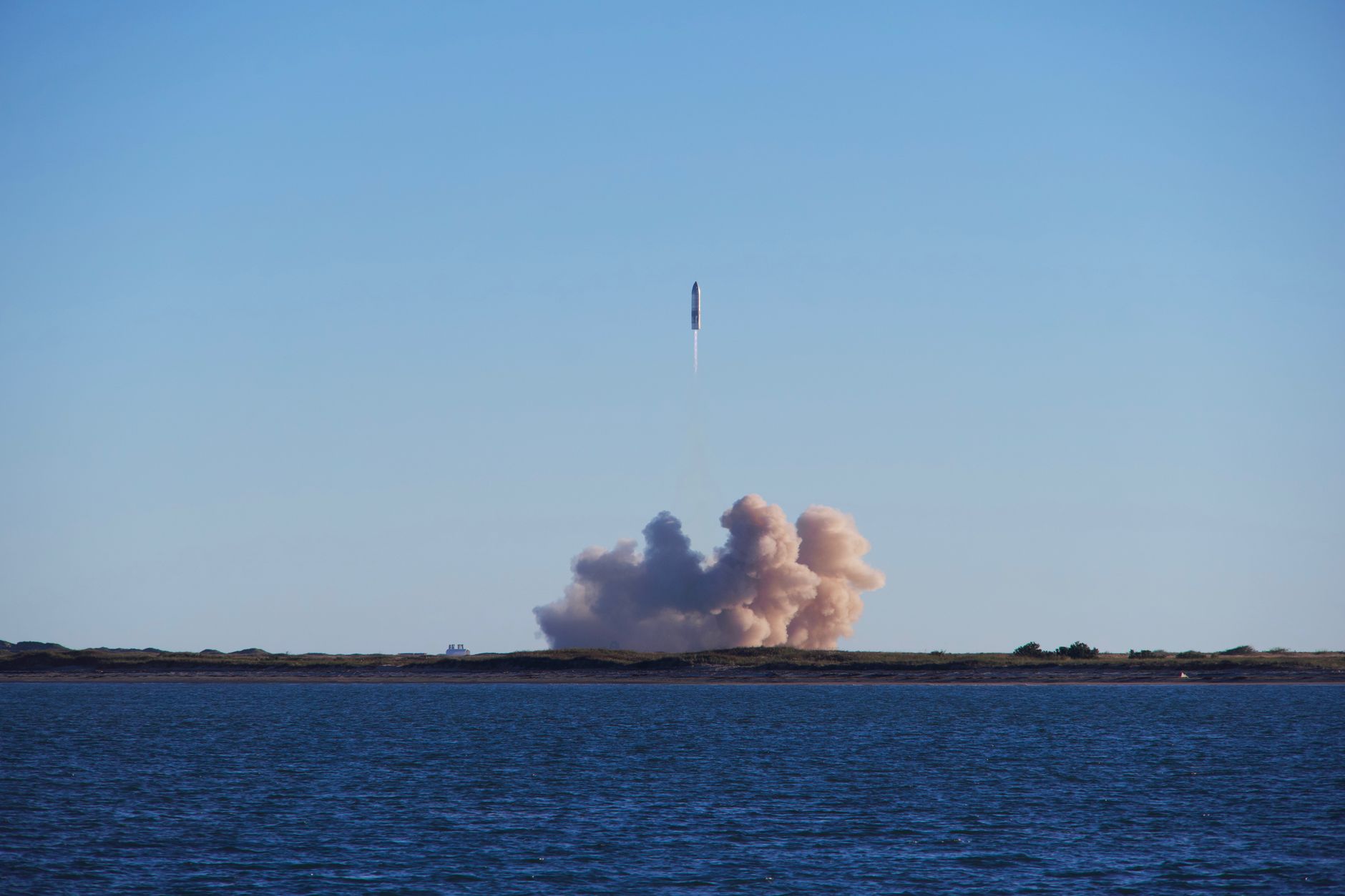
FLEX and Sentinel-3C launch is a monumental step for space exploration. This mission promises to enhance our understanding of Earth’s ecosystems and climate change.
Overview of the FLEX Mission
The FLEX mission, which stands for Fluorescence Explorer, aims to revolutionize our understanding of plant health and the Earth’s ecosystem. By capturing the fluorescence emitted by chlorophyll during photosynthesis, FLEX will provide crucial data about vegetation stress and productivity.
This innovative satellite is designed to work in tandem with other Earth observation missions, including the recently launched Sentinel-3C. Together, these missions will enhance our ability to monitor environmental changes and support climate research.
Key objectives of the FLEX mission include:
- Mapping vegetation health: Providing insights into how plants respond to climate change and human activity.
- Enhancing agricultural practices: Offering data that can help optimize crop yields and resource management.
- Supporting biodiversity conservation: Monitoring ecosystems for better protection efforts.
With the FLEX and Sentinel-3C launch, scientists are optimistic about the advancements in Earth observation and environmental management.
What Sentinel-3C Brings to the Table
The recent launch of FLEX and Sentinel-3C marks a significant advancement in Earth observation capabilities. Sentinel-3C, part of the Copernicus program, enhances our understanding of the planet’s ecosystems and climate. This satellite boasts advanced sensors designed to monitor various environmental parameters.
Key features of Sentinel-3C include:
- Ocean Color Monitoring: Tracks chlorophyll concentrations, aiding in the assessment of marine health.
- Land Surface Temperature: Provides critical data for climate studies and agricultural monitoring.
- High-Resolution Imaging: Offers detailed views of land and water bodies, enhancing our ability to respond to environmental changes.
With these capabilities, Sentinel-3C will complement the FLEX mission, which focuses on vegetation health, making the FLEX and Sentinel-3C launch a transformative event for scientific research and environmental management.
Impact on Climate Monitoring
The launch of FLEX and Sentinel-3C marks a significant advancement in climate monitoring capabilities. Together, these missions are set to provide unprecedented data that will enhance our understanding of Earth’s ecosystems and climate change.
FLEX, or the Fluorescence Explorer, is designed to measure the fluorescence of plants, offering insights into their health and productivity. This data is crucial for assessing the impact of climate change on agriculture and natural vegetation.
Meanwhile, Sentinel-3C complements FLEX by focusing on ocean and land monitoring. It gathers essential information regarding sea surface temperature and color, which is vital for tracking changes in marine ecosystems and weather patterns.
The synergy between FLEX and Sentinel-3C will improve climate models, enabling scientists to better predict future changes. As a result, this launch promises to bolster global efforts in combating climate challenges and fostering sustainable practices.
Technological Innovations in Space
The recent launch of FLEX and Sentinel-3C showcases a range of technological innovations that set new benchmarks in space exploration. These advancements not only enhance data collection but also improve the accuracy of environmental monitoring.
Key features of the mission include:
- Advanced Sensors: FLEX is equipped with cutting-edge sensors capable of detecting chlorophyll fluorescence, providing insights into plant health and growth.
- High-Resolution Imaging: Sentinel-3C offers high-resolution imagery that allows for precise monitoring of ocean and land changes.
- Real-Time Data Transmission: With improved communication technology, data from both missions can be transmitted back to Earth in real-time, enabling quicker analysis and response.
- Integrated Systems: The collaboration between FLEX and Sentinel-3C allows for a comprehensive understanding of climate dynamics, making it easier to predict and mitigate environmental challenges.
Overall, the FLEX and Sentinel-3C launch exemplifies the future of space missions, merging innovation with practical applications for Earth monitoring.
Collaboration with ESA
The successful launch of FLEX and Sentinel-3C marks a significant achievement in international collaboration, particularly with the European Space Agency (ESA). With a shared commitment to advancing Earth observation technologies, this partnership aims to enhance our understanding of climate dynamics and environmental changes.
ESA’s involvement has been crucial in providing the necessary expertise and infrastructure for both missions. The integration of FLEX’s advanced fluorescence measurements with Sentinel-3C’s comprehensive data collection capabilities presents a unique synergy that will benefit researchers and policymakers alike.
Through this collaboration, the missions will not only bolster scientific research but also foster innovation in satellite technology. As countries around the globe face unprecedented environmental challenges, the combined efforts of ESA and the FLEX and Sentinel-3C launch pave the way for improved monitoring and management of Earth’s resources.
This partnership exemplifies how collaborative efforts in space can lead to groundbreaking advancements in climate science.
Future Missions to Look Forward To
As the space community celebrates the successful launch of the FLEX and Sentinel-3C missions, attention is turning to future endeavors that promise to enhance our understanding of Earth and its systems. Upcoming missions aim to build on the innovations showcased by FLEX and Sentinel-3C, continuing the legacy of satellite technology in climate monitoring and environmental management.
Among these future missions, several stand out:
- EarthCARE: Focused on understanding the interactions between clouds, aerosols, and radiation.
- Copernicus Sentinel-6: Set to improve ocean monitoring through precise sea level measurements.
- NASA’s SWOT: A mission designed to measure water levels in rivers, lakes, and reservoirs.
These missions will complement the FLEX and Sentinel-3C launch, providing crucial data that supports global climate initiatives and fosters international collaboration in space exploration.
Public Interest in Space Exploration
The recent launch of FLEX and Sentinel-3C has sparked significant public interest in space exploration. As these missions aim to enhance our understanding of Earth’s ecosystems and climate, they capture the imagination of both scientists and the general public.
In recent years, there has been a noticeable uptick in enthusiasm surrounding space initiatives. This is largely due to advancements in technology, which make space missions more accessible and engaging. The FLEX and Sentinel-3C launch represents a pivotal moment in this trend, showcasing how collaborative efforts can lead to groundbreaking discoveries.
Moreover, educational programs and outreach efforts are helping to bridge the gap between complex scientific concepts and public understanding. People are increasingly recognizing the importance of satellite data in addressing global challenges, such as climate change and resource management.
As interest continues to grow, missions like FLEX and Sentinel-3C pave the way for future explorations that promise to further captivate and inform society.
The FLEX and Sentinel-3C launch marks a significant milestone in our understanding of Earth’s ecosystems. With advanced technology onboard, the FLEX and Sentinel-3C launch promises to deliver unprecedented data for climate research.
Photo by Forest Katsch on Pexels