
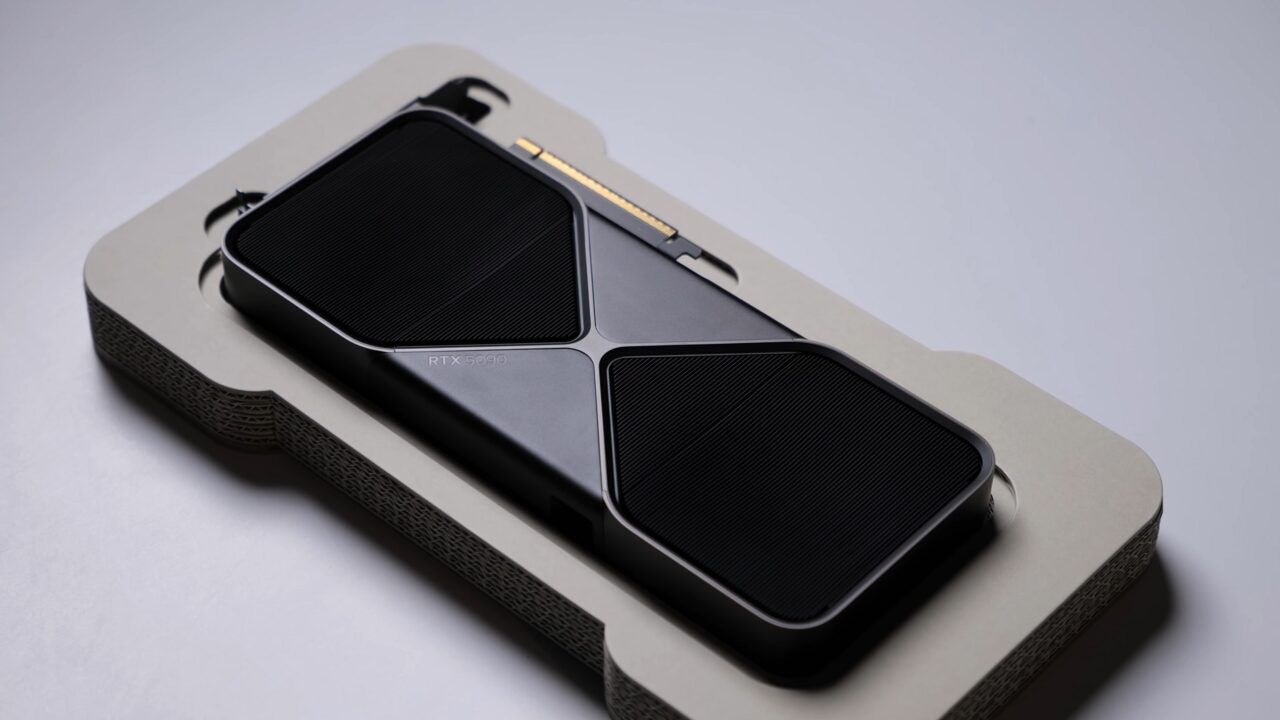
NVIDIA RTX 5080 prices have surged dramatically, increasing by $300 in China. This significant jump raises concerns for potential buyers and the overall market.
Understanding the Price Surge of NVIDIA RTX 5080
The recent surge in NVIDIA RTX 5080 prices has left many consumers and industry experts pondering the reasons behind this significant increase. Reports indicate that wholesale prices for the RTX 5080 have jumped by an alarming $300, a trend not seen in recent memory. This price escalation is particularly notable in the Chinese market, where the RTX 5070 Ti has also seen a rise, albeit less dramatic at $100.
Several factors may be contributing to this unexpected price hike:
- Increased Demand: The gaming industry continues to grow, with more players seeking high-performance graphics cards for an enhanced experience.
- Supply Chain Issues: Ongoing global supply chain challenges and chip shortages have led to limited availability of components necessary for manufacturing these GPUs.
- Market Competition: As competitors release new products, NVIDIA may be adjusting prices to maintain a competitive edge while maximizing profit margins.
For consumers, this means that acquiring an NVIDIA RTX 5080 may require a re-evaluation of budgets and expectations, as prices continue to fluctuate amid market dynamics.
What Caused the Increase in RTX 5070 Ti Prices?
The recent surge in prices for the NVIDIA RTX 5070 Ti has left many consumers puzzled and frustrated. Several factors have contributed to this unexpected increase, which also reflects broader trends impacting graphics card prices overall.
One significant reason for the price hike is the escalating demand for high-performance gaming and professional graphics solutions. As more gamers and content creators seek out powerful hardware, the competition for these products intensifies, driving prices upward.
Additionally, supply chain disruptions continue to plague the semiconductor industry, making it challenging for manufacturers to meet the rising demand. The fallout from previous global events has led to shortages of crucial components, which in turn impacts production rates and retail prices.
Moreover, the introduction of the NVIDIA RTX 5080 has caused a ripple effect throughout the market. As consumers anticipate the next generation of graphics cards, many are opting to purchase the current models, such as the RTX 5070 Ti, further fueling demand and pushing prices higher.
This combination of demand surges, supply chain issues, and market speculation has resulted in the current landscape where NVIDIA RTX 5080 prices, along with those of the RTX 5070 Ti, have experienced unprecedented increases.
Market Reactions to NVIDIA’s Price Hikes
The announcement of the NVIDIA RTX 5080 prices has sent shockwaves through the gaming and tech communities. Many consumers and industry analysts are expressing their concerns over the recent price hikes, which are perceived as the worst jump in recent memory. The wholesale price increase of $300 for the RTX 5080, alongside a $100 rise for the RTX 5070 Ti, has left potential buyers scrambling for answers.
Market reactions have been mixed, with some gamers indicating that they may delay their purchases until prices stabilize. Others have taken to online forums to voice their frustrations, highlighting the impact of these increases on their budgets. The following points summarize key reactions:
- Consumer Discontent: Many buyers feel that the price increase is unjustified given the current economic climate.
- Retailer Concerns: Retailers are worried that higher prices could lead to decreased sales and inventory issues.
- Competitive Landscape: Competing brands may capitalize on NVIDIA’s price hikes, potentially attracting discontented customers.
As the dust settles, it remains to be seen how these changes will affect the overall market for graphics cards in the coming months.
Comparing NVIDIA RTX 5080 and RTX 5070 Ti
The NVIDIA RTX 5080 and RTX 5070 Ti present a stark contrast in pricing, reflecting the recent market trends. The NVIDIA RTX 5080 prices have surged significantly, with wholesale prices jumping by $300 in China. This increase raises concerns among consumers and industry analysts alike, marking what some consider the worst price jump in recent memory.
In comparison, the RTX 5070 Ti has experienced a more modest price rise of $100. This disparity highlights the growing divide in the performance and pricing of NVIDIA’s graphics cards. Below are some key differences between the two models:
- Performance: The RTX 5080 is expected to outperform the RTX 5070 Ti, catering to gamers seeking high-end capabilities.
- Price Point: The significant price increase of the RTX 5080 makes it less accessible to some segments of the market.
- Target Audience: While both cards target gamers, the RTX 5080 aims at enthusiasts willing to invest more for superior performance.
The contrasting pricing strategies could reshape consumer preferences as they weigh performance against budget constraints.
Future Predictions for Graphics Card Prices
As the graphics card market grapples with the recent price surges, many analysts are looking ahead to predict future trends. The NVIDIA RTX 5080 prices have seen a dramatic increase, raising concerns about the sustainability of such spikes. Industry experts suggest several factors could influence future pricing.
- Supply Chain Stability: Continued disruptions in the global supply chain may lead to further price increases, particularly if demand outstrips available stock.
- Technological Advancements: The introduction of new technologies and competing products may either drive prices down or push them higher, depending on market responses.
- Consumer Demand: A persistent demand for high-performance gaming equipment will likely keep prices elevated, especially if the trend toward remote work and gaming persists.
- Market Competition: Increased competition from other manufacturers could help to stabilize or reduce prices, provided they can offer comparable performance and features.
Ultimately, the future of graphics card prices, including the NVIDIA RTX 5080 prices, remains uncertain. Consumers and investors alike will be watching closely to see how these variables play out in the coming months.
Consumer Impact of Rising GPU Costs
The recent surge in NVIDIA RTX 5080 prices has left consumers grappling with the implications of escalating GPU costs. As the wholesale prices for the RTX 5080 have jumped by $300, many enthusiasts and gamers are feeling the pinch. This unprecedented increase not only affects purchasing decisions but also raises concerns about the overall affordability of high-performance gaming hardware.
Many consumers are now faced with difficult choices:
- Upgrade Delay: Some may choose to postpone their upgrades, hoping for better prices in the future.
- Budget Constraints: Gamers on a tight budget might opt for lower-tier models, such as the RTX 5070 Ti, which also saw a $100 increase.
- Market Alternatives: Others may explore alternatives from competitors, seeking similar performance without the hefty price tag.
The ripple effect of these rising prices goes beyond individual buyers, potentially slowing down the gaming industry’s growth and innovation. As consumers adapt to the new pricing landscape, the long-term impact on brand loyalty and purchasing behavior remains to be seen.
Expert Opinions on the Current GPU Market
As the GPU market continues to face challenging dynamics, experts weigh in on the recent spike in NVIDIA RTX 5080 prices, which have reportedly experienced the worst jump in recent memory. Analysts suggest that this price surge reflects broader supply chain issues coupled with increased demand for high-performance graphics cards.
Dr. Emily Chen, a leading market analyst, states, “The jump in prices for the NVIDIA RTX 5080 is indicative of a market struggling to keep pace with consumer expectations. The $300 increase in wholesale prices is significant and may deter potential buyers.”
Furthermore, Mark Thompson, a technology economist, noted, “Historically, such price hikes can lead to prolonged market instability. If consumers feel priced out of the RTX 5080, we may see a shift towards alternative brands or older models.”
In addition, there is concern about the impact on gamers and content creators who rely heavily on these graphics cards. “An increase in the cost of the RTX 5080 will inevitably affect accessibility for many users,” Thompson added.
As the situation evolves, consumers are advised to stay informed and consider their options in this rapidly changing landscape.
The recent surge in NVIDIA RTX 5080 prices has left many gamers and enthusiasts reeling. As demand continues to outpace supply, NVIDIA RTX 5080 prices are expected to remain high for the foreseeable future.
via Wikimedia Commons
Read the original
You might also like
Galaxy Buds Europe Launch: Best Pricing and Timeline Insights · Tesla Robotaxi launch: Safe and Proven Technology · AI Model Distillation Black Market: The Worst Risks Exposed