
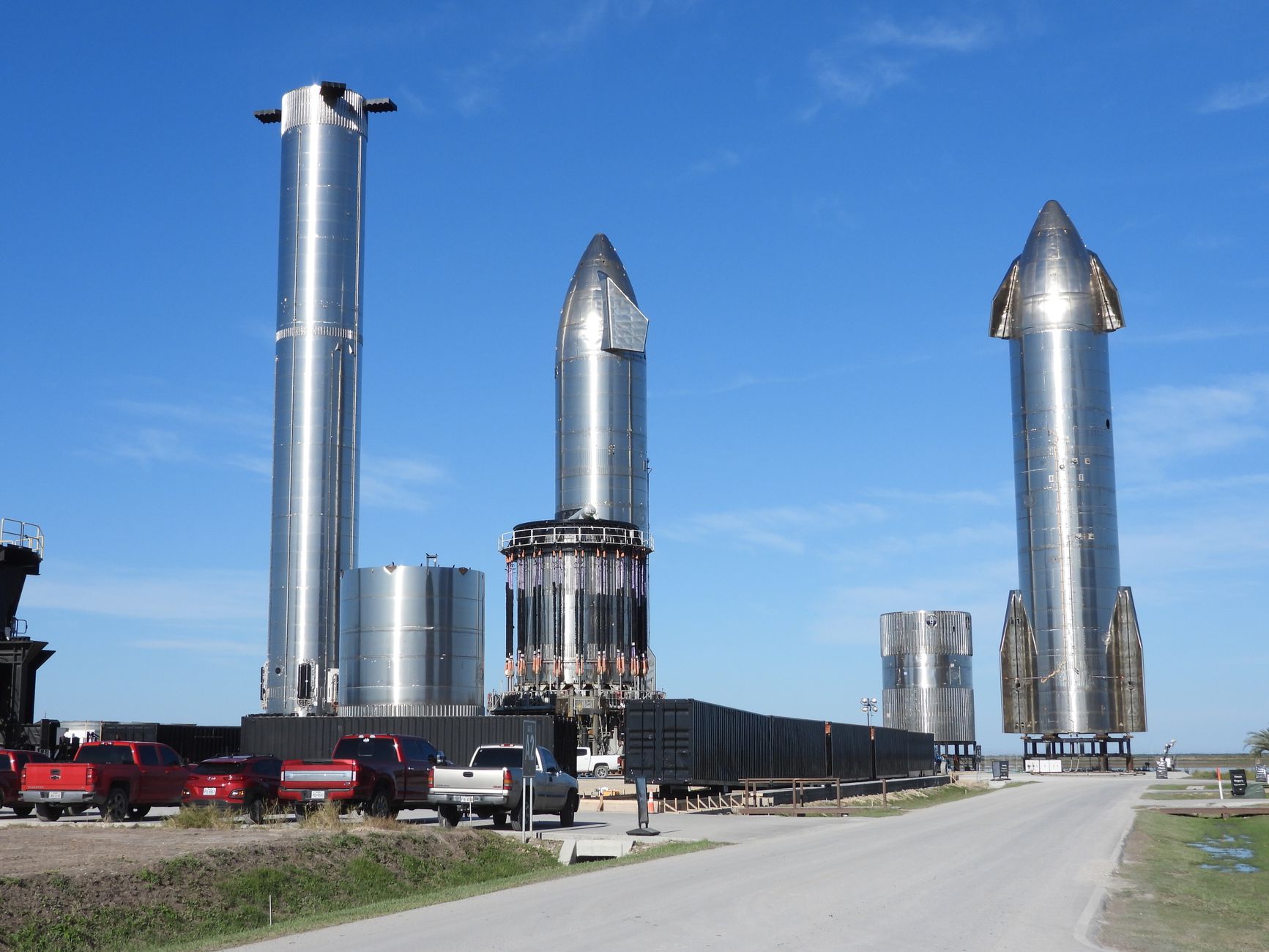
Starship Catch Success is a remarkable event in the realm of space exploration. This successful catch showcases advancements in aerospace technology and engineering.
Overview of Starship Catch Success
The recent achievement of the Starship Catch Success marks a significant milestone in the realm of space travel. Developed by SpaceX, this innovative approach to rocket recovery has demonstrated its potential to revolutionize the aerospace industry. The successful catch not only showcases advanced engineering but also emphasizes sustainability in space missions.
Key points about the Starship Catch Success include:
- Innovative Recovery: The catch mechanism allows for reusable rocket components, reducing costs.
- Increased Efficiency: Streamlining the recovery process enhances turnaround times for future missions.
- Industry Impact: This success sets a new standard for competitors in the space sector.
As SpaceX continues to push boundaries, the Starship Catch Success serves as a beacon of progress in achieving sustainable exploration of outer space.
Details on Amazon Leo Launch Failure
The recent launch of Amazon’s Leo satellite fell short of expectations, highlighting the challenges faced in the competitive space industry. While the Starship Catch Success has marked a significant milestone for space travel, Amazon’s attempt to deploy its satellite encountered critical issues.
Key details surrounding the launch failure include:
- Technical Glitches: Reports indicate that several technical malfunctions occurred during the final countdown.
- Weather Conditions: Adverse weather may have contributed to the decision to abort the launch.
- Market Impact: This setback has raised concerns about Amazon’s ability to compete in the satellite sector.
As the industry continues to evolve, the contrast between Starship Catch Success and Amazon’s challenges serves as a reminder of the unpredictable nature of space exploration.
Impact of Successful Space Missions
The successful missions of spacecraft like SpaceX’s Starship have significantly impacted the landscape of space travel. These achievements not only demonstrate advanced engineering and technology but also pave the way for future explorations. The Starship Catch Success marks a pivotal moment, showcasing the potential for reusable spacecraft to reduce costs and increase access to space.
Moreover, the implications of such milestones extend beyond individual companies, influencing how governments and private sectors approach space exploration. Key outcomes from successful missions include:
- Increased investment in aerospace technology
- Enhanced collaboration between nations
- Boosted public interest and support for space initiatives
As these missions unfold, they set the stage for transformative discoveries that could redefine humanity’s relationship with the cosmos.
Technological Advancements in Space Travel
Recent advancements in space technology have significantly contributed to the success of the Starship Catch initiative. This milestone not only demonstrates enhanced engineering capabilities but also sets a new standard for future missions. Key technological developments include:
- Improved Rocket Reusability: Innovations in materials and design allow rockets to be refurbished quickly after landing.
- Advanced Navigation Systems: Cutting-edge software enhances trajectory calculations, ensuring precise landings.
- Enhanced Safety Protocols: New safety measures mitigate risks associated with space travel and recovery operations.
The successful execution of the Starship Catch operation showcases the fruits of these technological advancements and marks a significant step forward in the evolution of space exploration. As the industry strives for more ambitious missions, the Starship Catch success exemplifies the potential of modern aerospace engineering.
Future of SpaceX and Starship
As SpaceX continues to innovate, the future of space travel appears promising following the recent Starship Catch Success. This achievement not only demonstrates the reliability of their technology but also sets a precedent for future missions. With plans for more ambitious launches on the horizon, SpaceX aims to enhance its capabilities in crewed missions and interplanetary travel.
Moreover, the successful catch mechanism could revolutionize how spacecraft are recovered and reused, significantly reducing costs. Industry experts speculate that this could lead to an increase in both commercial and scientific missions.
In addition, with competitors like Amazon facing setbacks, SpaceX is well-positioned to dominate the market, potentially changing the landscape of space exploration for years to come. The focus now turns to how these advancements will pave the way for humanity’s journey beyond Earth.
Challenges Faced by Space Launches
Space launches have historically been fraught with challenges that can hinder progress and innovation. Some of the most common obstacles faced by aerospace companies include:
- Technical Failures: Launch vehicles often encounter issues such as engine malfunctions or structural weaknesses.
- Weather Conditions: Adverse weather can lead to delays or cancellations, impacting launch schedules.
- Regulatory Hurdles: Navigating complex regulations can slow down the approval process for new missions.
- Funding Constraints: Financial limitations often restrict the ability to develop and test new technologies.
Despite these challenges, the recent Starship Catch Success marks a notable achievement, demonstrating that perseverance in the face of adversity can lead to significant milestones in space travel.
Comparing Starship and Amazon Leo
In the evolving landscape of space travel, the Starship Catch Success stands out when compared to Amazon’s Leo initiative. Both projects aimed to revolutionize access to space, yet their trajectories have been markedly different.
Starship’s recent achievements highlight its ability to effectively handle payloads and demonstrate reliability, positioning it as a leader in the industry. In contrast, Amazon Leo encountered significant setbacks, culminating in a failed launch that raised questions about its viability.
Key differences between the two programs include:
- Launch Frequency: Starship has conducted multiple successful tests, showcasing its readiness for regular missions.
- Cost Efficiency: Starship’s reusability aims to lower launch costs significantly.
- Technological Innovation: Starship integrates advanced technologies that enhance performance and safety.
Ultimately, Starship’s success may redefine future expectations for space exploration and commercial ventures.
What’s Next for Space Exploration?
As the space industry reflects on the Starship Catch Success, the focus now shifts to the future of space exploration. Experts believe that this achievement will pave the way for more ambitious missions beyond Earth’s orbit.
Key areas of interest include:
- Deep Space Missions: Plans for crewed missions to Mars and beyond are gaining momentum.
- Sustainable Space Operations: Developing reusable spacecraft and reducing costs will be crucial.
- International Collaboration: Partnerships with global space agencies may enhance capabilities and resources.
- Innovative Technologies: Advancements in propulsion systems and life support are essential for long-duration missions.
With the success of the Starship Catch, the possibilities for future exploration are becoming more tangible, igniting excitement among scientists, engineers, and enthusiasts alike.
Photo by Ocean Camera Space Corp. on Pexels