
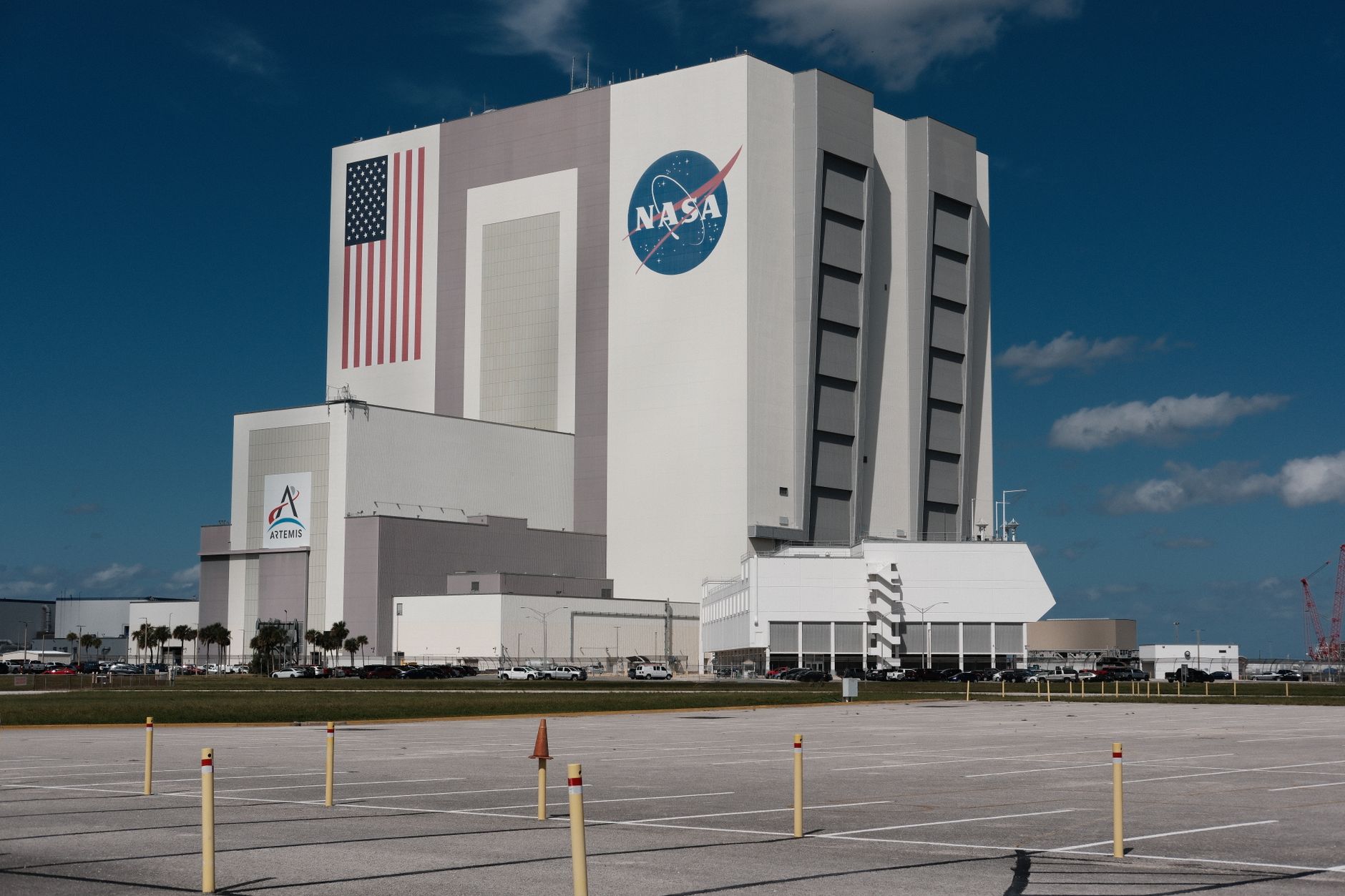
The US-India moon mission is set to redefine space exploration. With both nations collaborating, the potential for groundbreaking advancements is immense.
Overview of the US-India moon mission
The US-India moon mission represents a significant step forward in international space collaboration. As both nations aim to advance their technological capabilities, this partnership is poised to enhance scientific research and exploration of the lunar surface.
Key objectives of the US-India moon mission include:
- Scientific Exploration: Conducting detailed studies of the moon’s geology and potential resources.
- Technological Advancement: Developing new technologies for space travel and habitation.
- International Cooperation: Strengthening diplomatic ties through shared goals in space exploration.
Officials from both countries have emphasized the importance of collaboration in achieving these objectives. Sergio Gor, a prominent figure in the initiative, stated, “We want India by our side,” highlighting the mutual benefits of working together on this ambitious project.
This partnership not only aims to enhance the capabilities of both nations but also seeks to inspire future generations of scientists and engineers. As the US-India moon mission progresses, it could pave the way for more extensive collaborative efforts in the realm of space exploration.
Key players in the collaboration
The US-India moon mission has brought together key players from both nations, emphasizing the significance of this collaboration in space exploration. Among the notable figures is Sergio Gor, a leading voice advocating for strengthened ties between the two countries in the realm of space technology.
In the United States, the National Aeronautics and Space Administration (NASA) plays a crucial role, providing technological expertise and resources necessary for lunar exploration. NASA’s commitment to international partnerships is evident in its eagerness to work alongside India’s space agency.
On the Indian side, Indian Space Research Organisation (ISRO) is the driving force behind the mission. With a successful track record of previous lunar missions, ISRO brings valuable experience and innovative solutions to the table. This collaboration not only allows for sharing of knowledge but also fosters a spirit of co-creation aimed at achieving ambitious goals.
The partnership between NASA and ISRO highlights the potential of the US-India moon mission to set a precedent for future international space endeavors, blending expertise and resources from both nations.
Benefits of the US-India moon mission
The US-India moon mission represents a significant step forward in international space collaboration, promising numerous benefits for both nations and the global scientific community.
One of the primary advantages is the pooling of resources and expertise. By combining India’s cost-effective space technology with the advanced research capabilities of the United States, the mission can achieve complex objectives more efficiently. This partnership allows for:
- Increased Innovation: Collaborative efforts can lead to groundbreaking technologies that push the boundaries of what is possible in space exploration.
- Shared Knowledge: Scientists and engineers from both countries can exchange ideas, enhancing their understanding of lunar geology and potential resources.
- Global Leadership: A successful US-India moon mission may position both nations as leaders in the space domain, fostering further international collaborations.
- Economic Opportunities: The mission could generate jobs and stimulate the economy in both countries, particularly in the aerospace sector.
- Public Engagement: Joint missions can inspire future generations of scientists and engineers, encouraging greater interest in STEM fields.
Ultimately, the US-India moon mission could lay the groundwork for future collaborative projects, enhancing both nations’ capabilities in space exploration.
Challenges faced in space exploration
Despite the promising potential of the US-India moon mission, several challenges persist in the realm of space exploration. These challenges can hinder collaboration and slow progress toward shared goals.
- Technological Hurdles: Developing advanced technology capable of withstanding the harsh conditions of space is a significant challenge. Both nations must invest in research and development to ensure the success of their mission.
- Budget Constraints: Space missions require substantial funding. Fluctuations in government budgets can impact the resources available for the US-India moon mission, potentially delaying timelines.
- Regulatory Issues: Navigating the complex landscape of international space law and regulations can pose challenges. Both nations must collaborate closely to ensure compliance with treaties and agreements.
- Coordination Between Agencies: Effective communication and coordination between NASA and ISRO is crucial. Differences in organizational culture and operational procedures may create obstacles that need to be addressed.
- Geopolitical Tensions: International relations can influence collaboration efforts. Maintaining a stable political environment is essential for the success of the US-India moon mission.
Addressing these challenges will be vital for ensuring a fruitful partnership in space exploration.
Future of international space partnerships
The future of international space partnerships looks promising, particularly with initiatives like the US-India moon mission paving the way for collaborative advancements. As countries recognize the importance of shared resources and knowledge in space exploration, partnerships are expected to grow in significance.
One key aspect driving these collaborations is the potential for technological innovation. By pooling expertise, nations can tackle complex challenges more effectively. Additionally, international partnerships foster a sense of unity in addressing global issues, such as climate change and resource management.
Moreover, as space becomes increasingly commercialized, countries are encouraged to form alliances to remain competitive. The US-India moon mission exemplifies how countries can leverage each other’s strengths, with India’s cost-effective approach complementing the US’s advanced technology.
Looking ahead, nations may explore deeper collaborations beyond lunar missions, potentially venturing into Mars exploration and beyond. The success of the US-India moon mission could serve as a model for future projects, inspiring other countries to join forces in the quest for knowledge and discovery.
Ultimately, the landscape of space exploration will likely be defined by partnerships that blend diverse capabilities and resources.
Photo by Lando Dong on Pexels
Read the original
NEET UG 2026 counselling: Quick Update on Revised Schedule · Valve Steam Frame: The Best Specs and Release Date Details · Thinking Machines funding: Best Proven Strategies for Success