
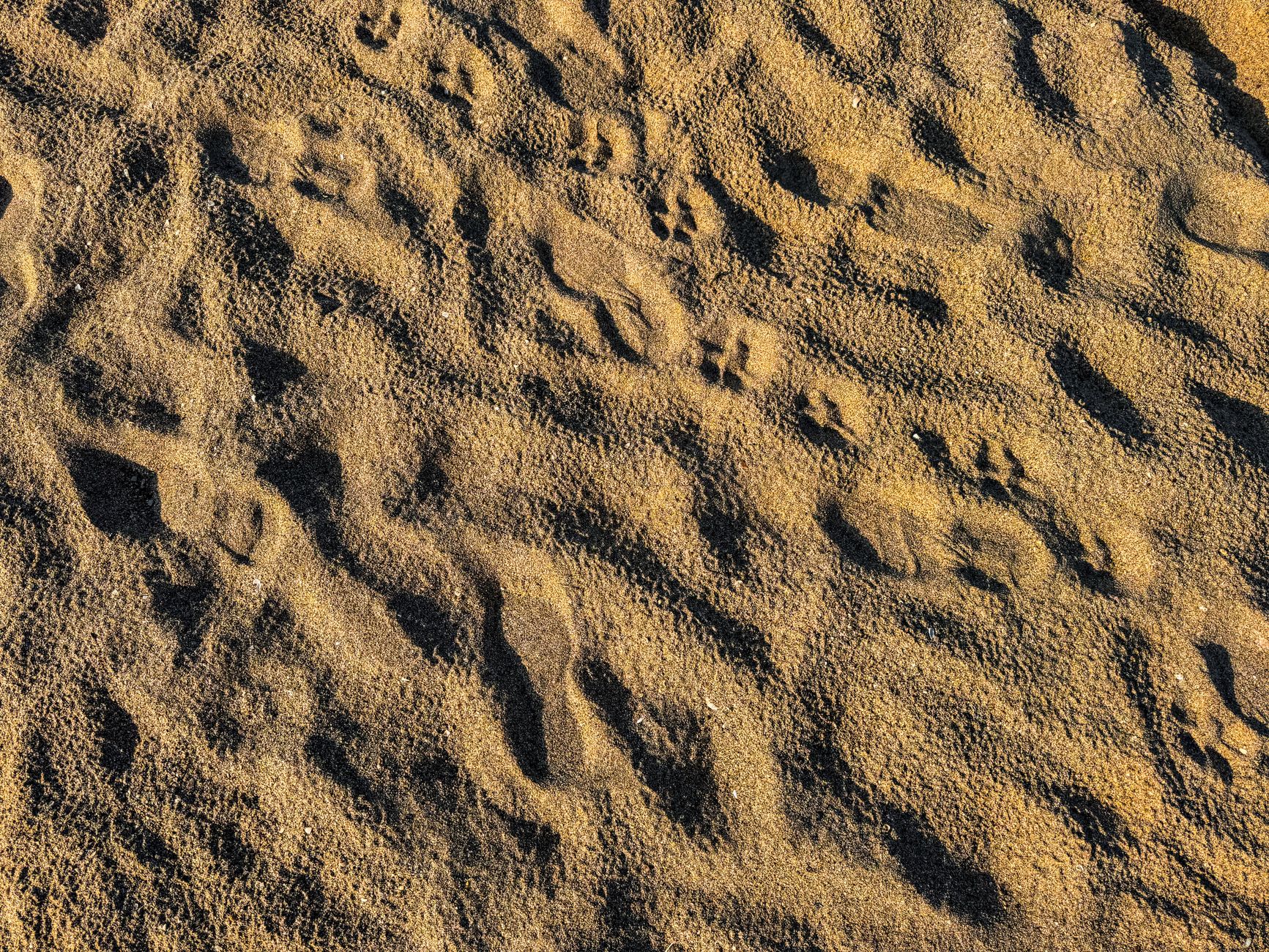
T. Rex footprints have been found in North Dakota, offering a rare glimpse into the past and the movements of these magnificent creatures.
Discovery of T. Rex Footprints
In an extraordinary archaeological find, a teacher in North Dakota has discovered a series of T. Rex footprints, marking one of the most significant paleontological discoveries in recent history. These footprints, believed to be over 66 million years old, provide invaluable insight into the behaviors and movements of this iconic dinosaur.
While exploring a remote area, the teacher stumbled upon the fossilized tracks that clearly display the distinctive three-toed prints of a T. Rex. This remarkable discovery has captured the attention of scientists and dinosaur enthusiasts alike, as such well-preserved footprints are quite rare.
Experts are now analyzing the site to better understand the environment in which the T. Rex lived. The findings may offer clues about the dinosaur’s hunting habits and social behavior. As researchers continue to investigate these T. Rex footprints, they hope to uncover more about the life and times of one of the most feared predators in history.
Importance of Dinosaur Footprints
The discovery of T. Rex footprints holds significant importance in the field of paleontology. These ancient imprints serve as a direct link to understanding the behavior and movement of these magnificent creatures. Unlike bones, footprints provide unique insights into the daily activities of dinosaurs, revealing how they interacted with their environment.
Footprints allow scientists to study various aspects of T. Rex life, including:
- Locomotion: The size and depth of the footprints can indicate how fast the T. Rex was moving.
- Social Behavior: The presence of multiple footprints can suggest group behavior or solitary habits.
- Habitat: The types of sediment where footprints are found can provide clues about the environment in which these dinosaurs thrived.
Moreover, T. Rex footprints help researchers piece together the ecosystem of the time, contributing to our overall understanding of the Late Cretaceous period. Each footprint is a reminder of the rich prehistoric life that once roamed North Dakota.
How Footprints Are Formed
The formation of footprints, particularly those of the mighty T. Rex, is a fascinating process that reveals much about the behavior and environment of these ancient creatures. When a dinosaur walked across soft, wet ground, its weight would compress the sediment, creating an impression. This impression would then harden over time, preserving the details of the foot.
Several factors contribute to the quality and preservation of these footprints:
- Type of Sediment: Fine-grained sediments, such as mud or sand, are more likely to capture and retain intricate details of a dinosaur’s foot.
- Environmental Conditions: A stable climate without excessive erosion can help maintain the footprint’s integrity over millions of years.
- Foot Structure: The unique anatomy of a T. Rex foot, with its three large toes, leaves a distinct mark that can be analyzed by paleontologists.
These T. Rex footprints serve as crucial evidence of the dinosaur’s movement and habitat, providing insights into its life millions of years ago.
Significance for Paleontologists
The discovery of T. Rex footprints in North Dakota holds considerable significance for paleontologists and the study of dinosaur behavior. These footprints provide invaluable insights into the locomotion, size, and potential hunting strategies of one of the most formidable predators of the prehistoric era.
By analyzing the depth and spacing of the footprints, researchers can infer various aspects of the T. Rex’s life, including:
- Speed: The stride length may indicate how fast these massive creatures could run.
- Social Behavior: The presence of multiple footprints in close proximity might suggest pack behavior or solitary hunting.
- Environmental Interaction: The context of the footprints helps scientists understand the habitat and conditions where these dinosaurs thrived.
Ultimately, the T. Rex footprints discovery in North Dakota enriches our understanding of dinosaur ecology and provides a tangible connection to a time when these giants roamed the Earth, making it a pivotal find in the field of paleontology.
Public Reaction to the Find
The recent discovery of T. Rex footprints in North Dakota has sparked significant public interest and excitement. Many residents and visitors are expressing their awe at the prospect of walking in the same places where these magnificent creatures once roamed.
Local schools have even incorporated the discovery into their science curriculum, with students eager to learn more about dinosaurs and paleontology. Field trips to the site are being organized, allowing young learners to experience the thrill of real-life science.
Social media platforms are buzzing with reactions, as people share their thoughts and images related to the find. Wildlife enthusiasts and paleontology fans alike are using hashtags like #TRexFootprints to discuss the implications of this remarkable discovery.
The footprints not only enhance North Dakota’s reputation as a significant paleontological site but also encourage a deeper appreciation for the natural history of the region. As the excitement grows, many are hopeful that this find will inspire future generations of scientists and explorers.
Future Research Opportunities
The discovery of T. Rex footprints in North Dakota opens up numerous avenues for future research. Paleontologists are eager to explore various aspects of these ancient tracks, which could provide deeper insights into the behavior, movement, and environment of the Tyrannosaurus rex.
Some potential research opportunities include:
- Behavioral Studies: Analyzing the footprints can shed light on the social interactions and hunting strategies of T. Rex.
- Environmental Context: Investigating the surrounding geology and flora can help reconstruct the ecosystem in which these dinosaurs lived.
- Comparative Analysis: Studying similar footprints from other dinosaur species may reveal evolutionary trends and adaptations.
- Preservation Techniques: Researching methods to preserve these footprints can inform future discoveries and protect this rare find.
As scientists delve into these areas, the T. Rex footprints could transform our understanding of dinosaur life and their interactions with the prehistoric world.
Exploring North Dakota’s Fossil Record
North Dakota’s fossil record is a treasure trove for paleontologists, showcasing a diverse array of prehistoric life. Among these remarkable finds, the recent discovery of T. Rex footprints has drawn significant attention, highlighting the region’s importance in understanding dinosaur behavior and ecology.
The state’s geological formations, primarily composed of sedimentary rock, have preserved a myriad of fossils over millions of years. This unique environment has allowed scientists to uncover not only footprints but also skeletal remains and other fossilized evidence, providing insights into the creatures that once roamed the area.
As researchers delve deeper into North Dakota’s past, they continue to uncover valuable information about the ecosystem that existed during the Late Cretaceous period. Future studies on the T. Rex footprints may reveal more about the social dynamics and movement patterns of these iconic predators, further enriching our understanding of their world.
With each new discovery, North Dakota solidifies its status as a significant location for fossil exploration and education.
Photo by Hakan Kayahan on Pexels
References
You might also like
NAND price increases: Is This the Right Time to Buy? · AI chip stocks: Best proven strategies for investors · FLEX and Sentinel-3C Launch: The Best Space Mission Yet